1 / 12

Art & Computation
Open House

A new major for RISD. Join now and shape what it becomes.
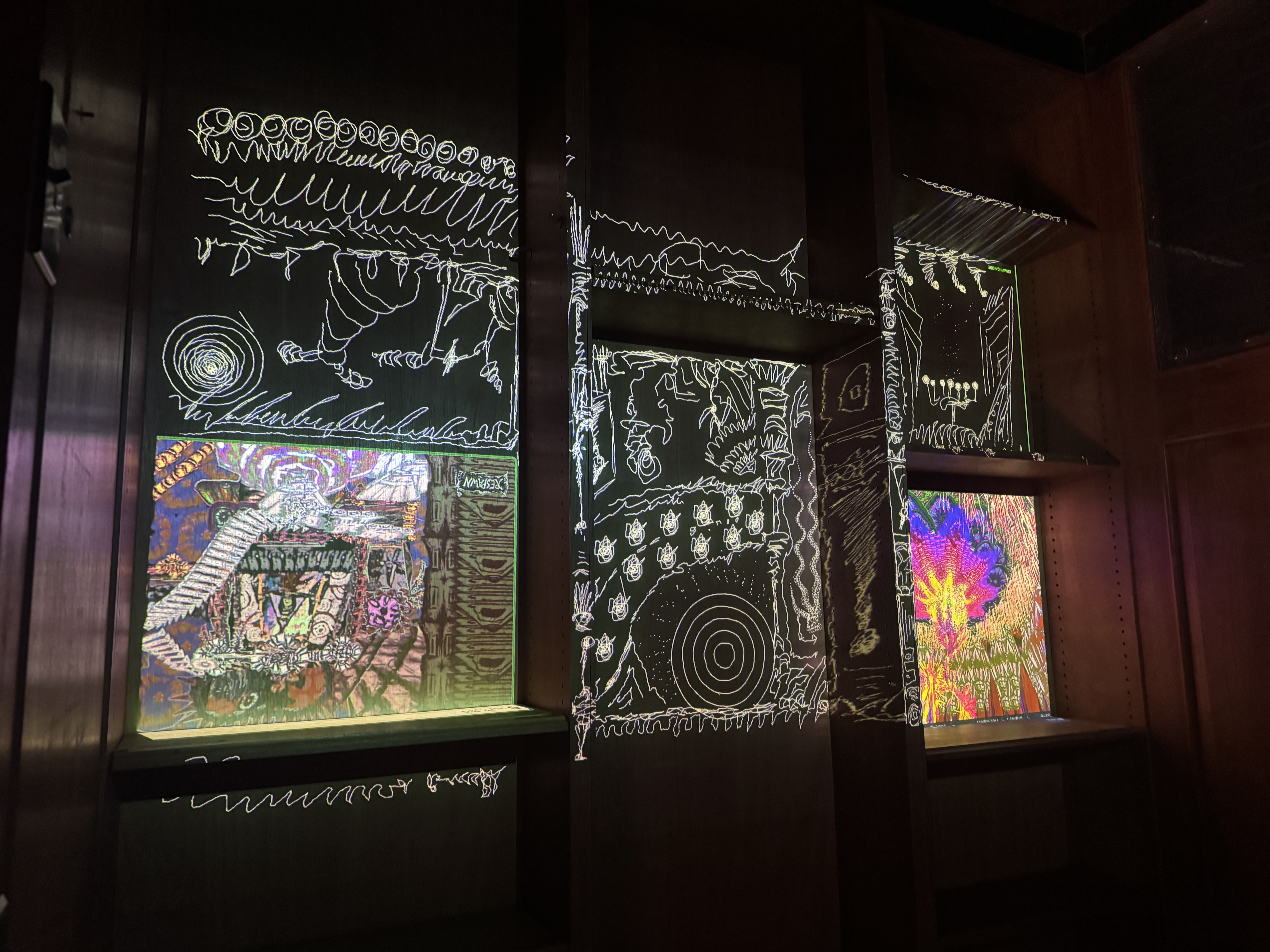
Student work

What

  • Art & Computation isn't about bringing computers to art—it's about bringing art and poetics to computers
  • We treat computation as creative material—like paint or clay
  • This means treating code, algorithms, and computational systems as creative materials with their own affordances and constraints
  • We're not a CS program. This is RISD's approach to computation: merging material-based making with computational thinking

For makers, tinkerers, people who want to understand systems deeply
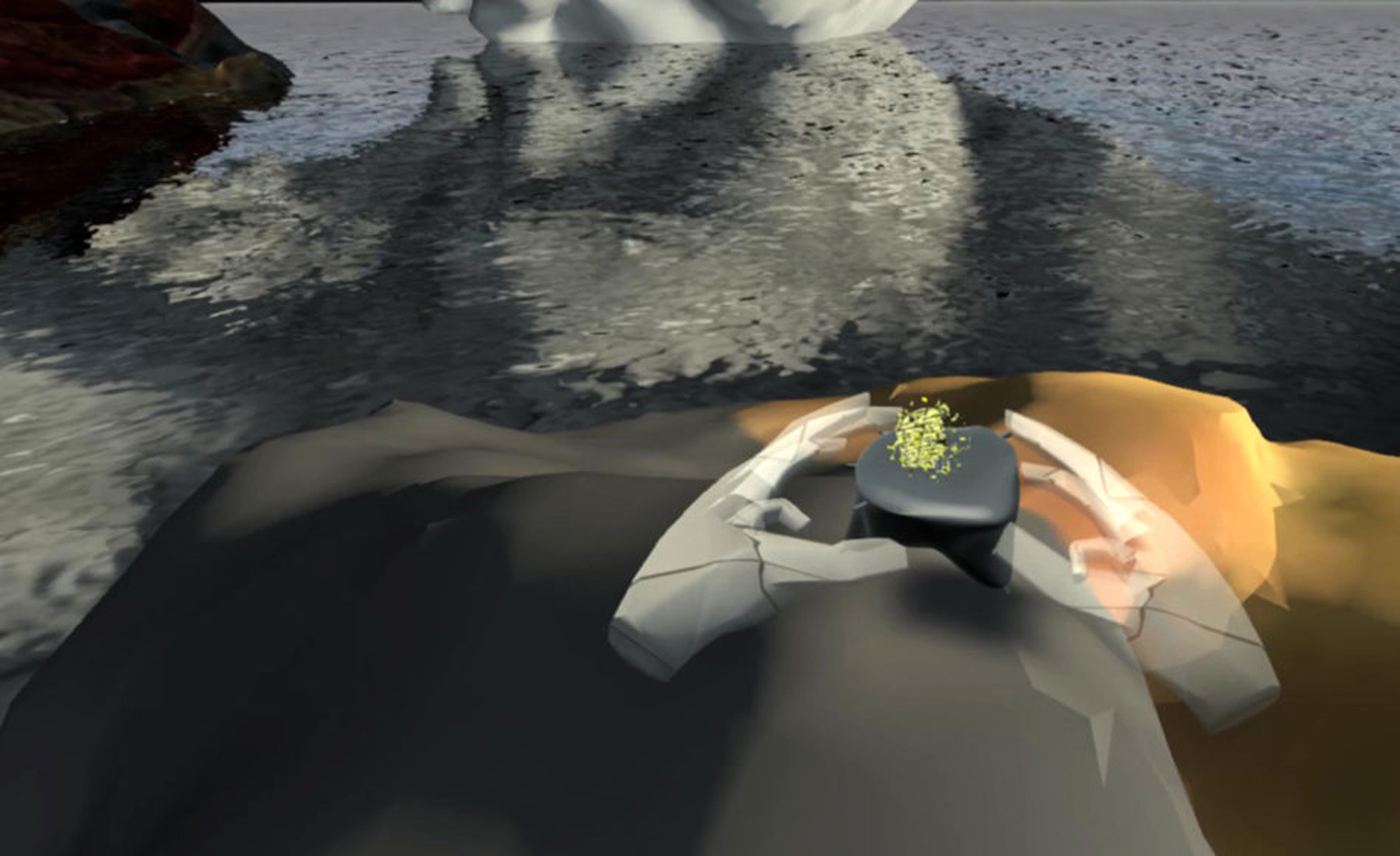
Student work

Make Things

Not just slideshows and concepts. Actual work.

Within our studios we focus on making real things:
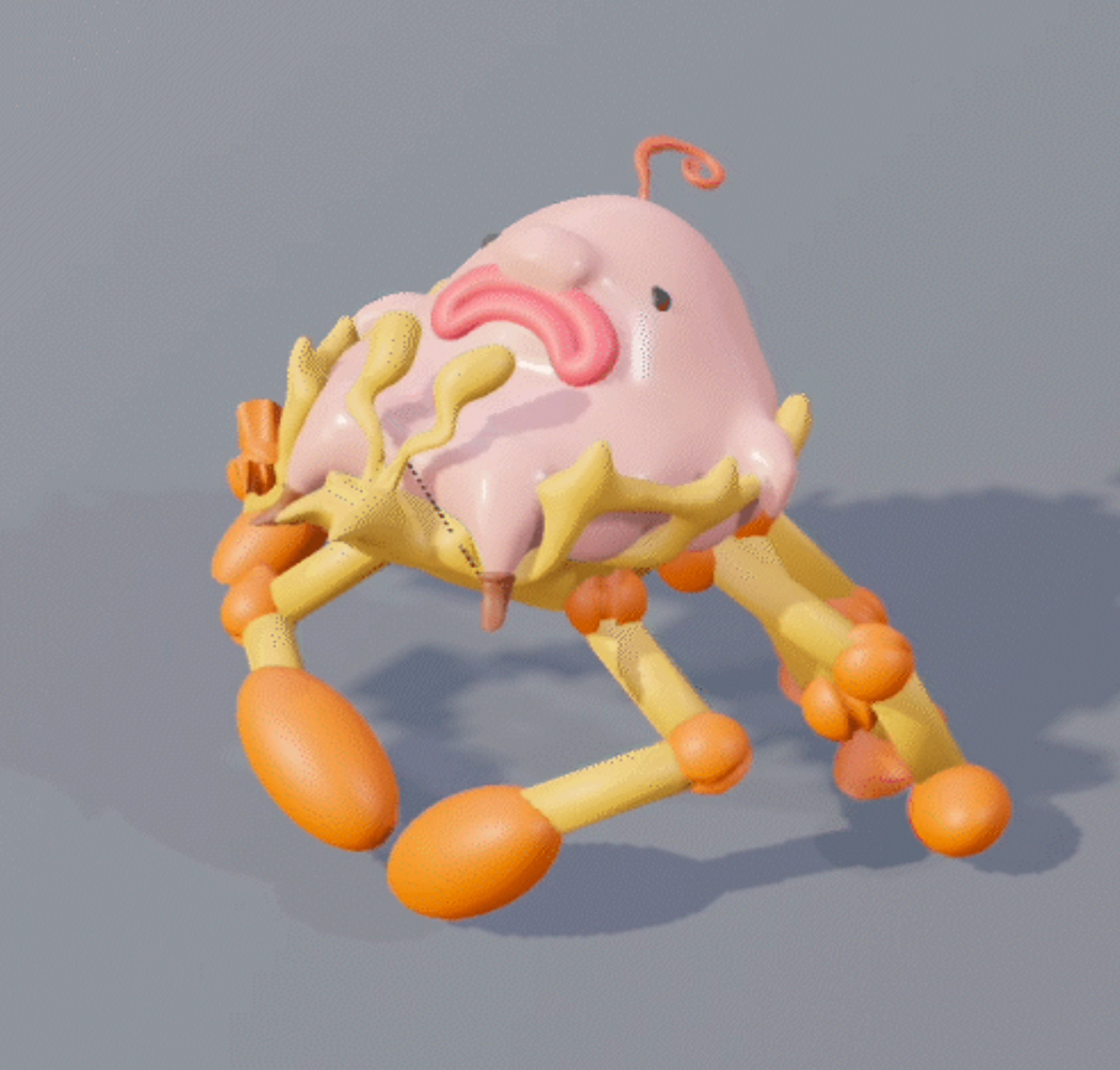
  • Build websites and games
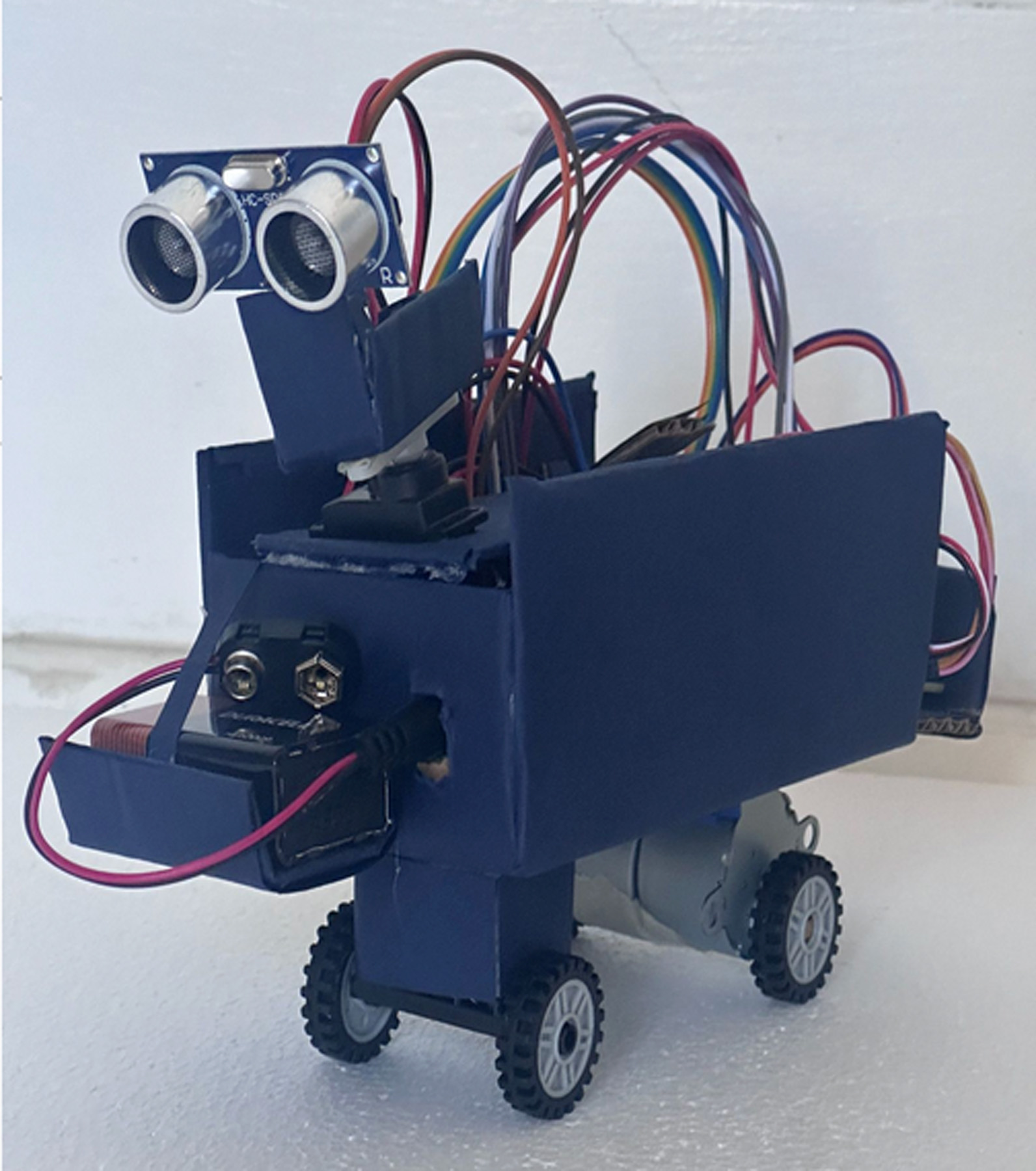
  • Work with robots and AI systems
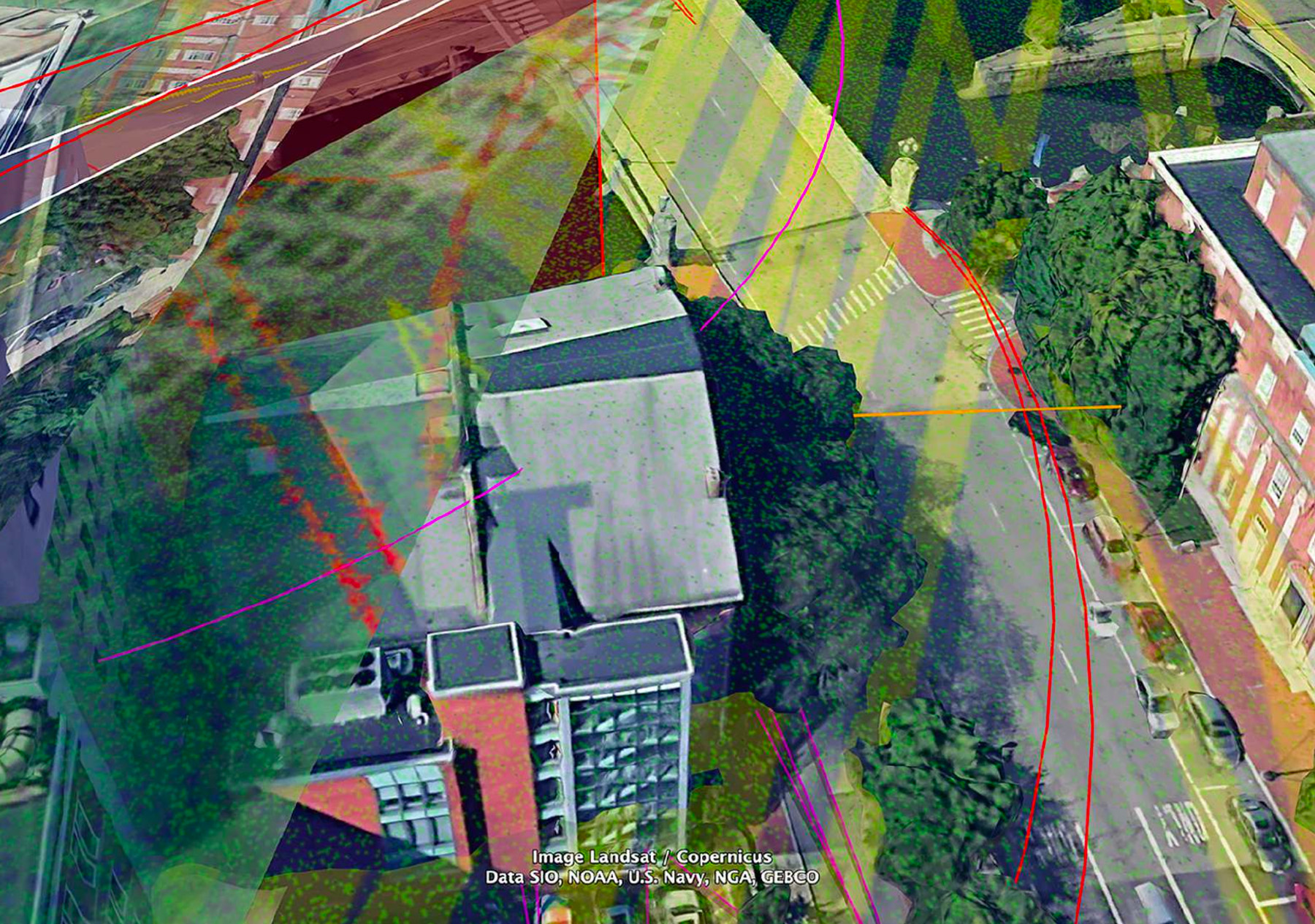
  • Visualize data, create 3D worlds
  • Design custom digital tools and creative pipelines
  • Make prototypes, working systems, physical-digital hybrids
  • Tools you actually use. Art that functions.
We emphasize:
  • Building over using — Make your own tools rather than master existing software
  • Experimentation over polish — Iterate, break things, figure it out
  • Material thinking — Understand systems by working directly with them
  • Making that matters — Projects with real stakes, real audiences, real function
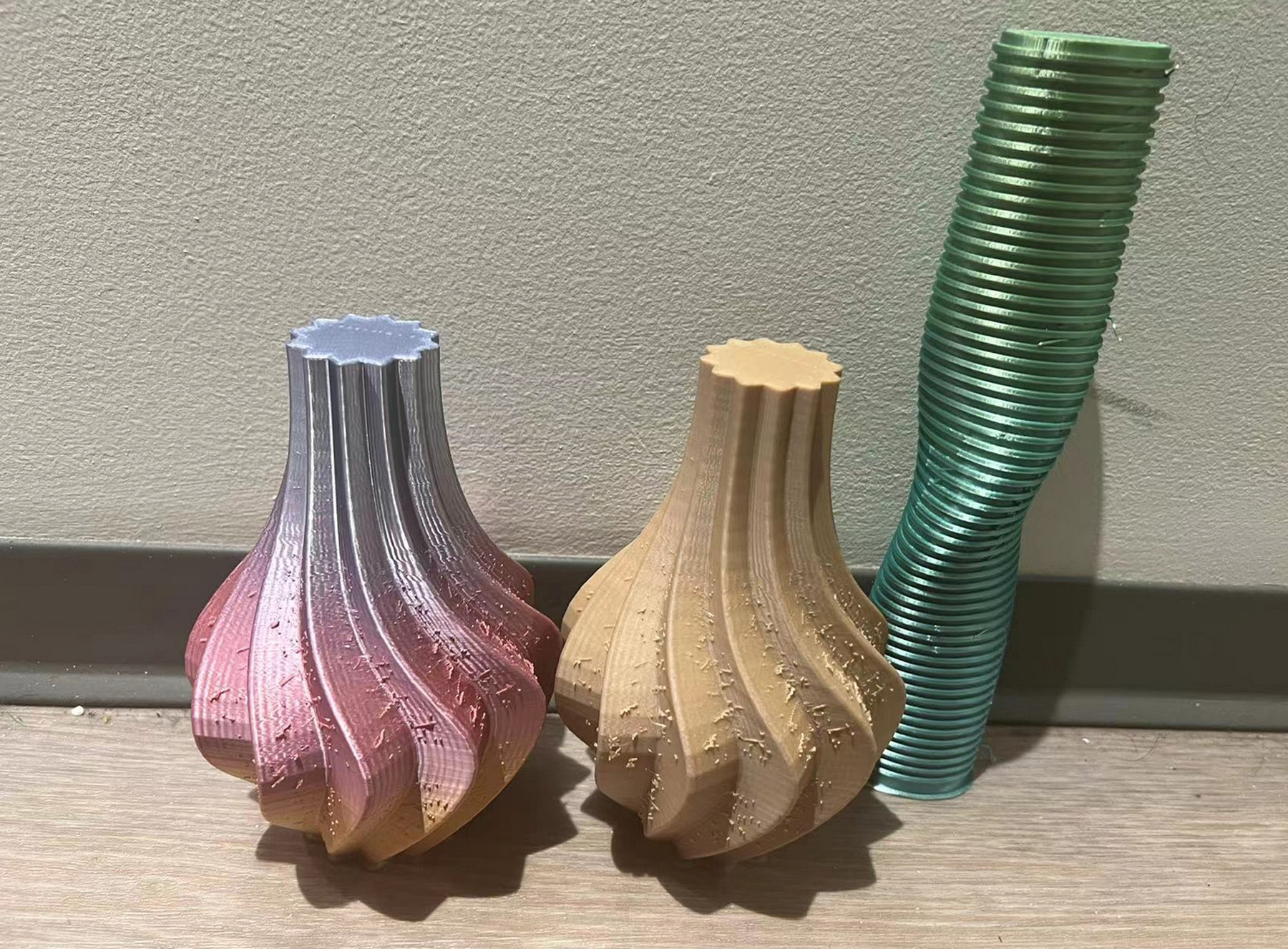
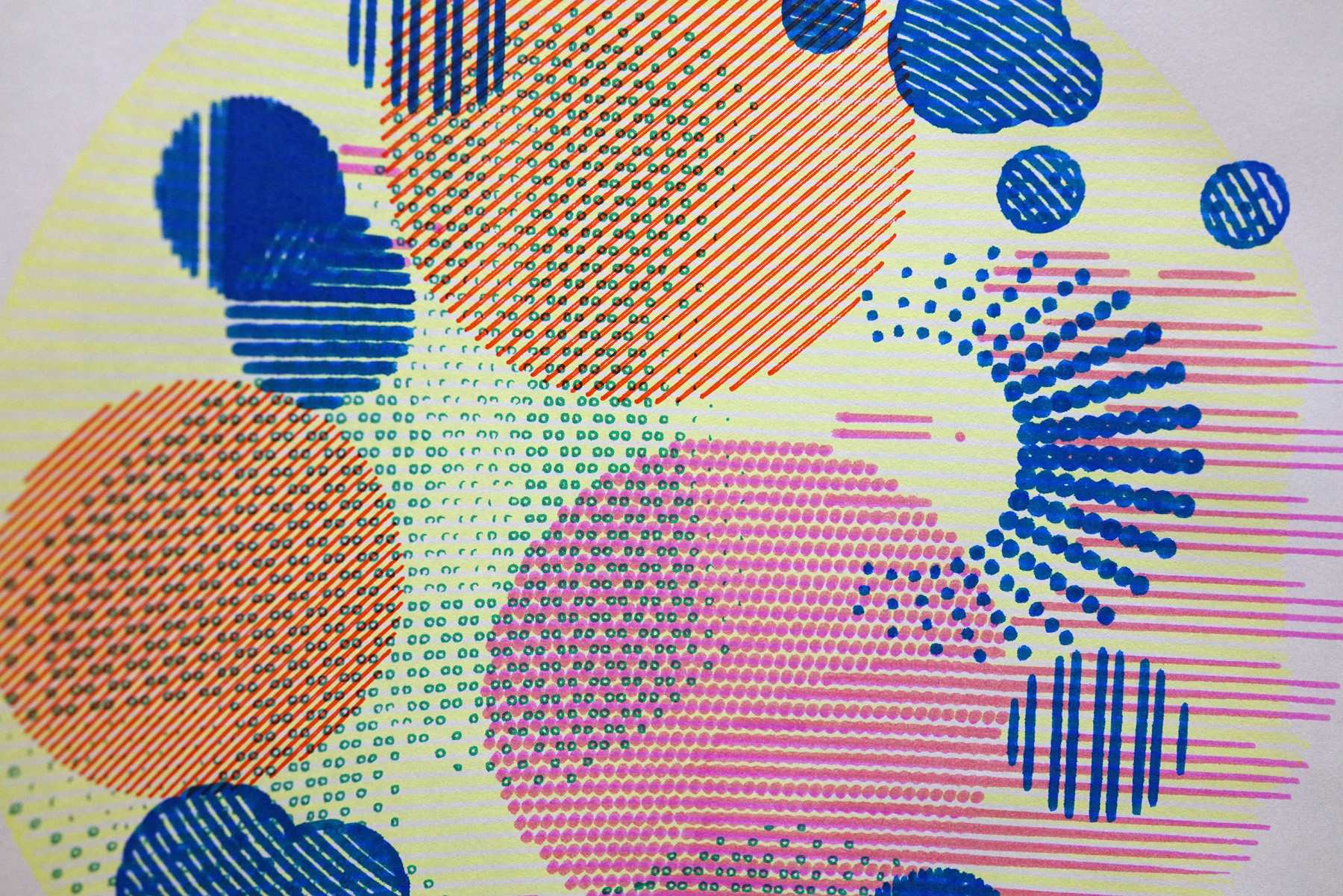
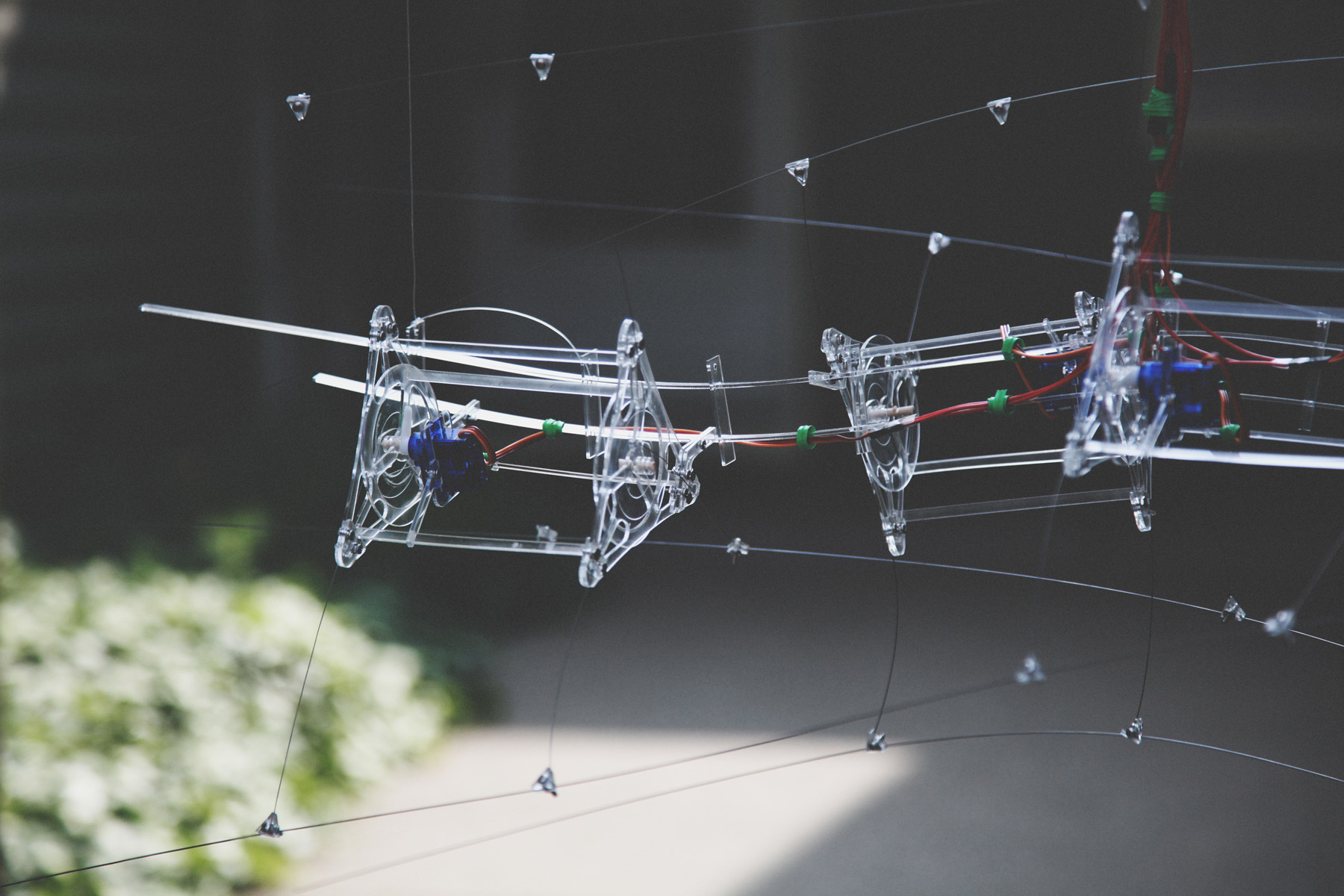
Student project
Student project
Student project
Student project

The Curriculum

One of RISD's most flexible curricula

Sophomore
  • Core studios
  • Introduction to Computation
  • Introduction to Physical Computation
  • Histories & Futures seminar
  • Begin exploring electives
Junior
  • Core studios
  • Materializing Code
  • Human-Machine Interactions
  • Critical Issues seminar
  • More electives to shape your focus
Senior
  • Final core studio
  • Degree project
  • Electives to complete your path

But this is just one path. The structure flexes to accommodate different interests and timelines.

No Prerequisites Required You don't need programming experience. We teach from first principles.

Radical Flexibility

Art & Computation is one of RISD's most open curricula

Liberal Arts
32.5%
Shared Core
17.5%
First-Year EFS
15.0%
Art & Comp Core
15.0%
NMSE
10.0%
Dept Elec
5.0%
Open Elec
5.0%
51 credits in the major
24 credits of electives (you choose)
Flexible core + electives = many ways to shape your path
Lots of electives — Shape your own path
Cross-departmental work — Combine with any other RISD program
Multiple focus areas — Follow your interests as they develop
Room to experiment — Try things, change direction, explore

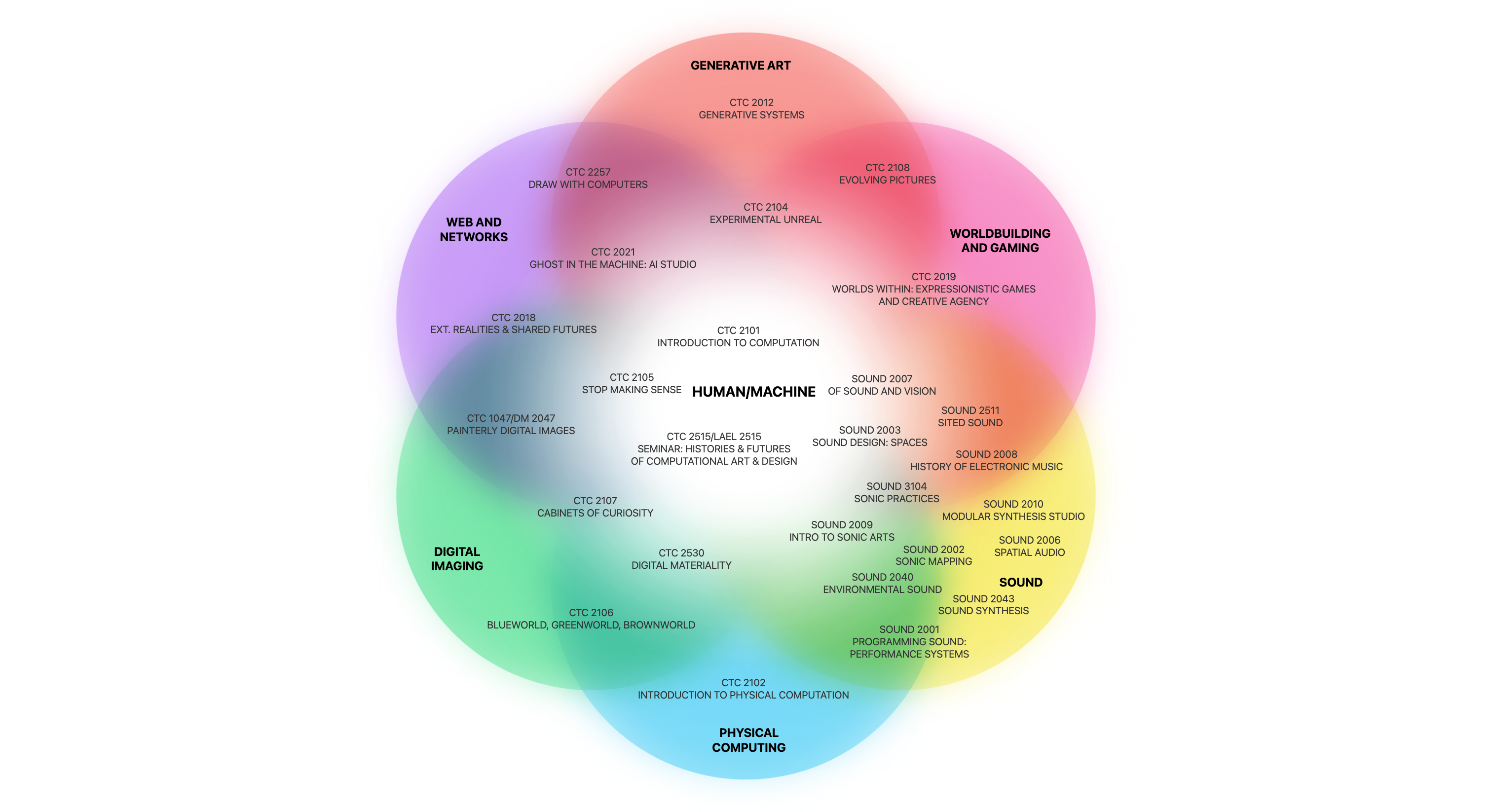
Elective Pathways

Elective Pathways Venn Diagram

The AI Shift

From Universal Software to Custom Micro-Systems

AI is fundamentally changing how software gets made—moving from universal tools built for millions to bespoke systems built for one person, one project, even one problem. Instead of mastering existing platforms, you'll generate solutions tailored to your specific creative questions.

Jig Theory

Purpose-built digital tools with short lifespans. Quick, light, disposable. Software as temporary prosthetic rather than permanent infrastructure.

Artists already think this way—hacking, improvising, working through constraints. Now you can fabricate computational jigs without years of learning syntax.

AI doesn't replace the artist. It multiplies creative agency. And the market for this is exploding. Designers who can build digital systems will have endless opportunities as demand for bespoke software skyrockets.

We're preparing you to be at the forefront of this designer boom—building new processes for problems that don't exist yet.
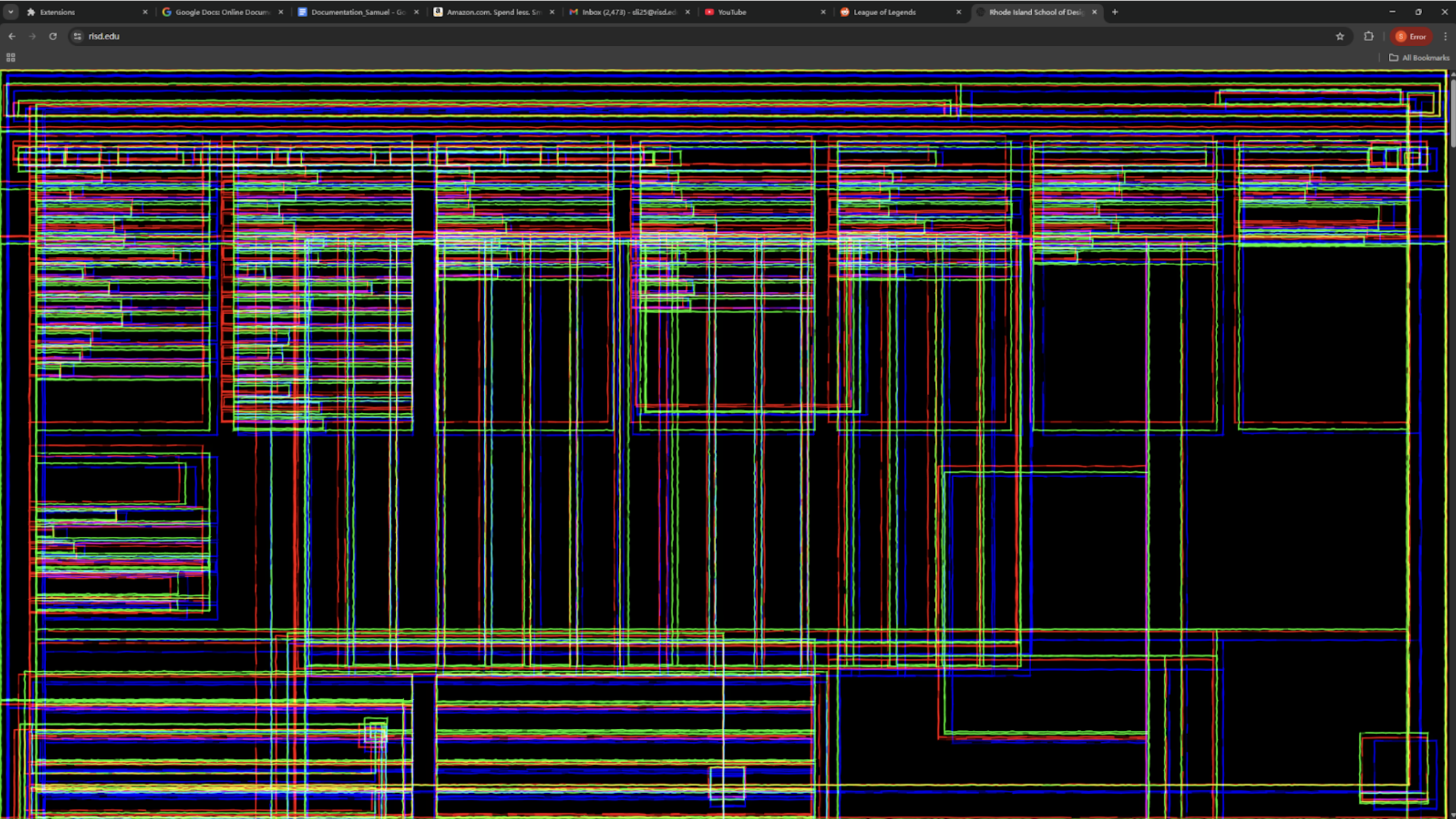
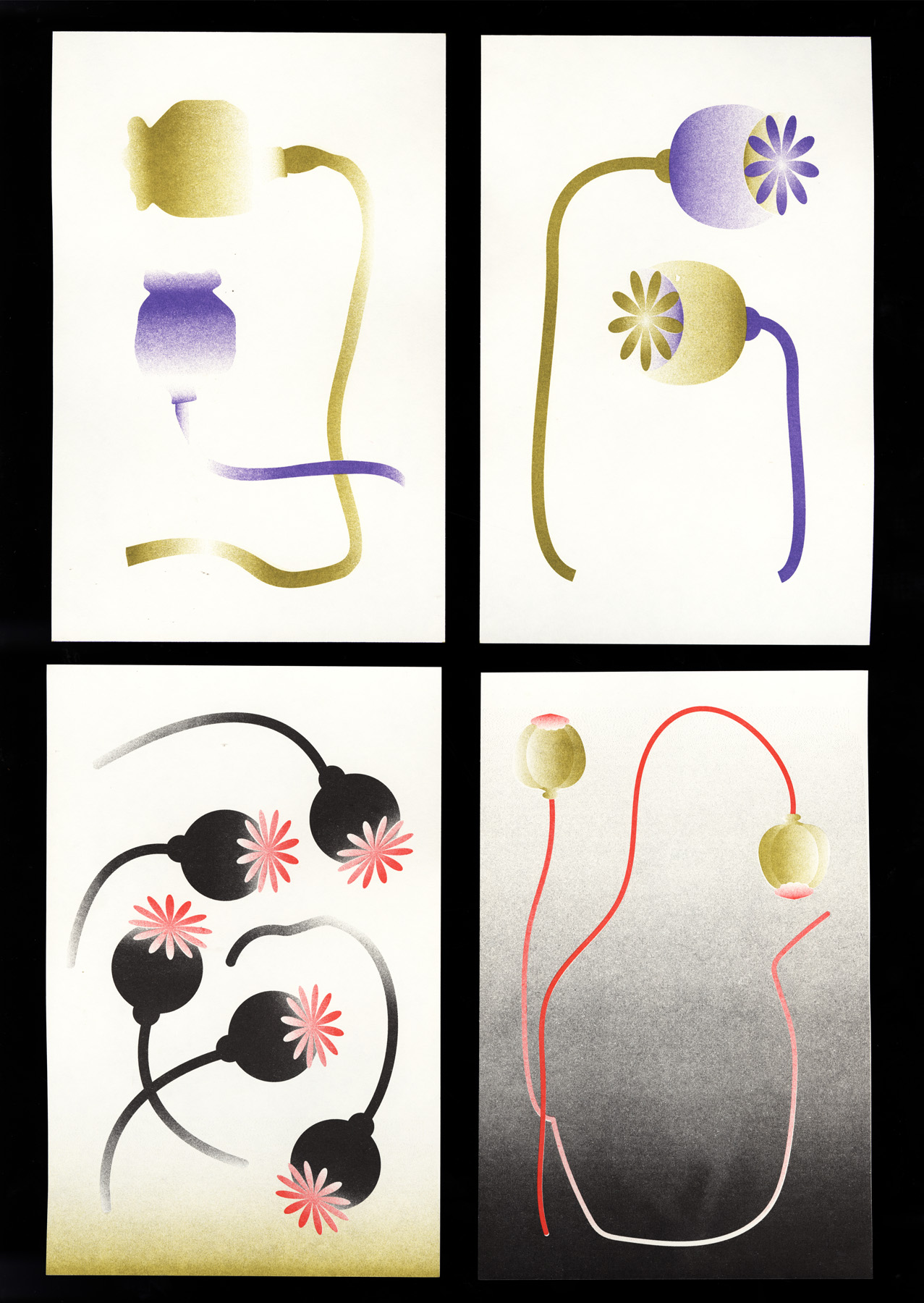
AI/Generative work

What You Can Make

Some of the kinds of work our students make

Generative systems
Generative systems
Games
Games
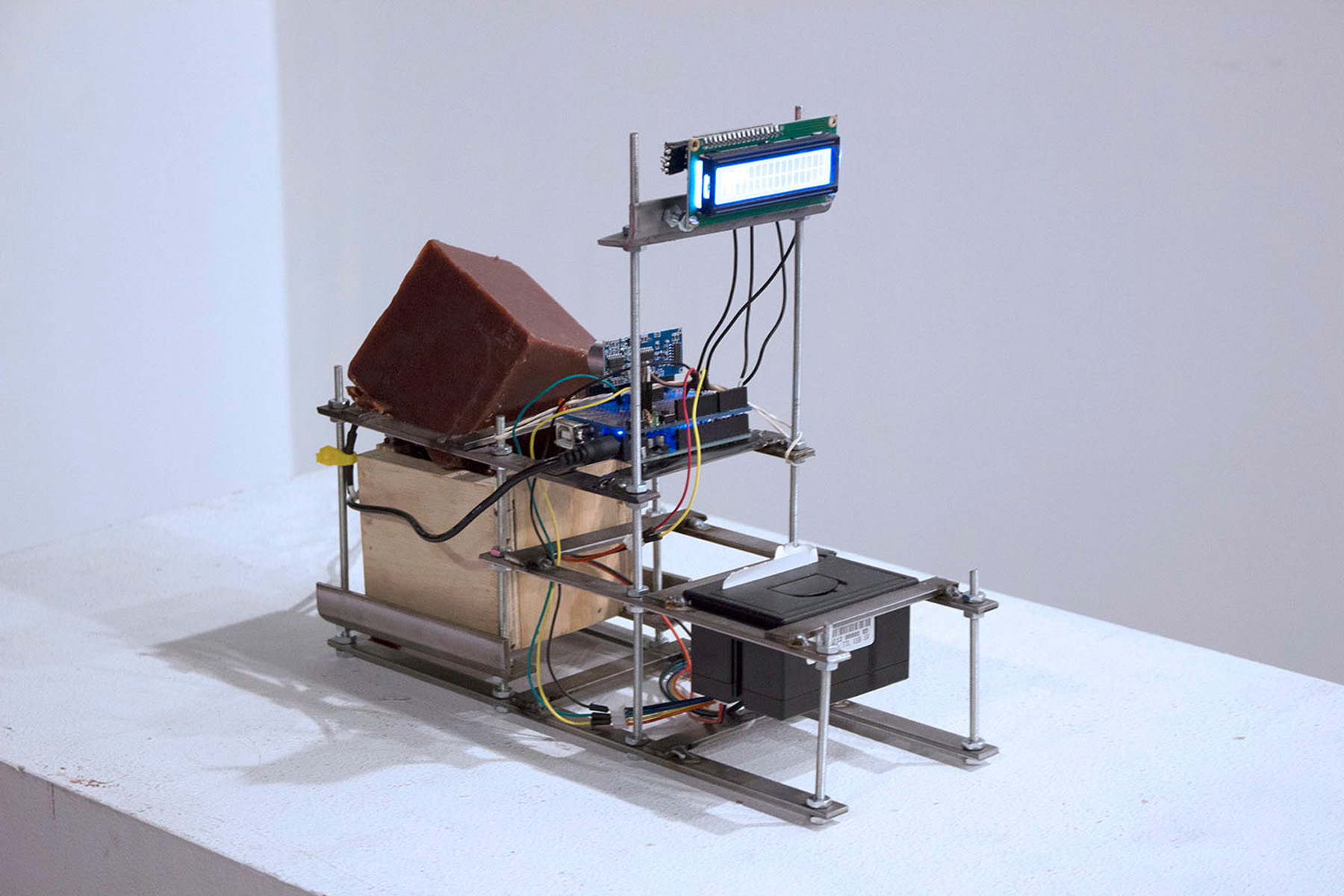
Physical computing
Physical computing
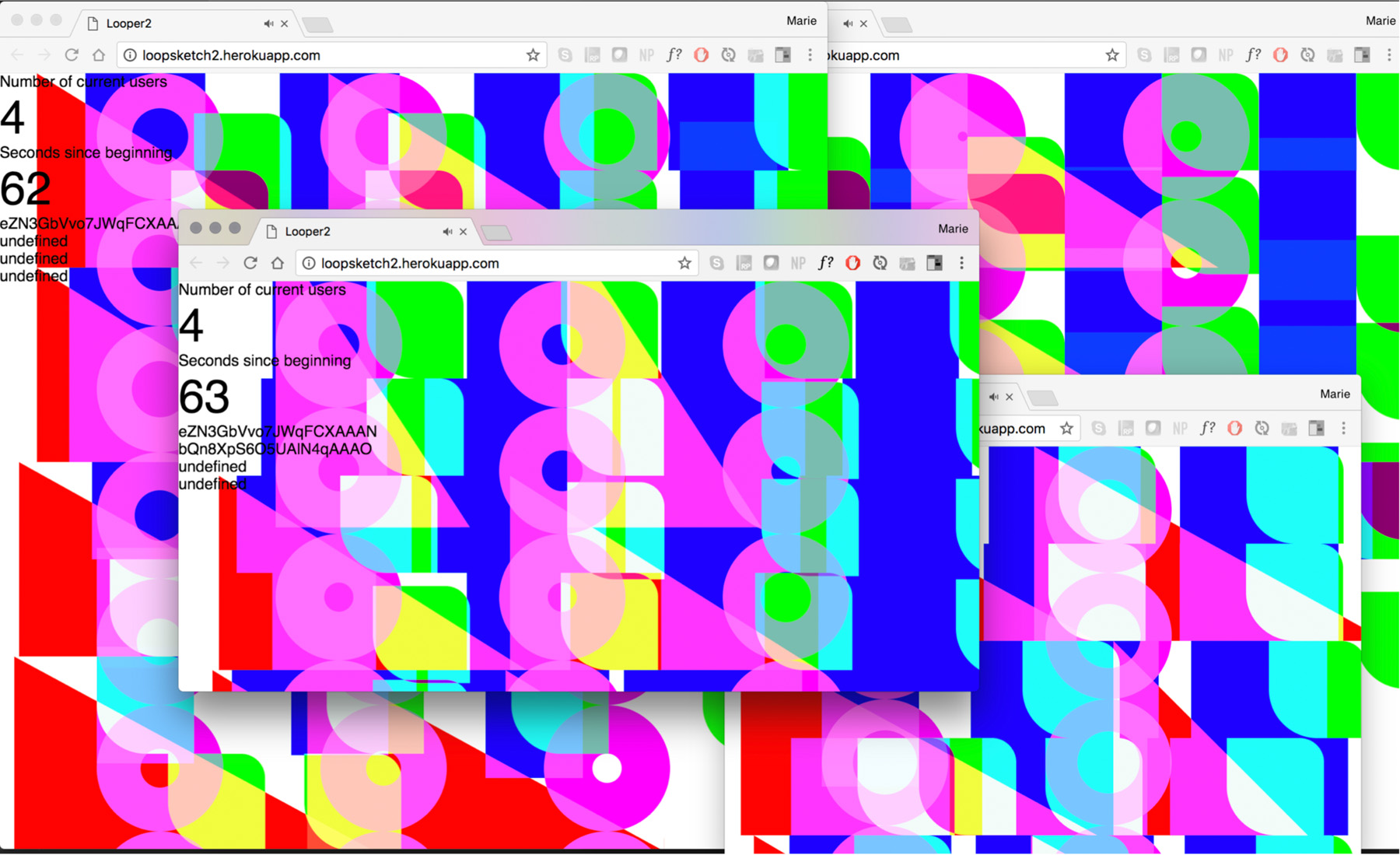
Web-based work
Web-based work
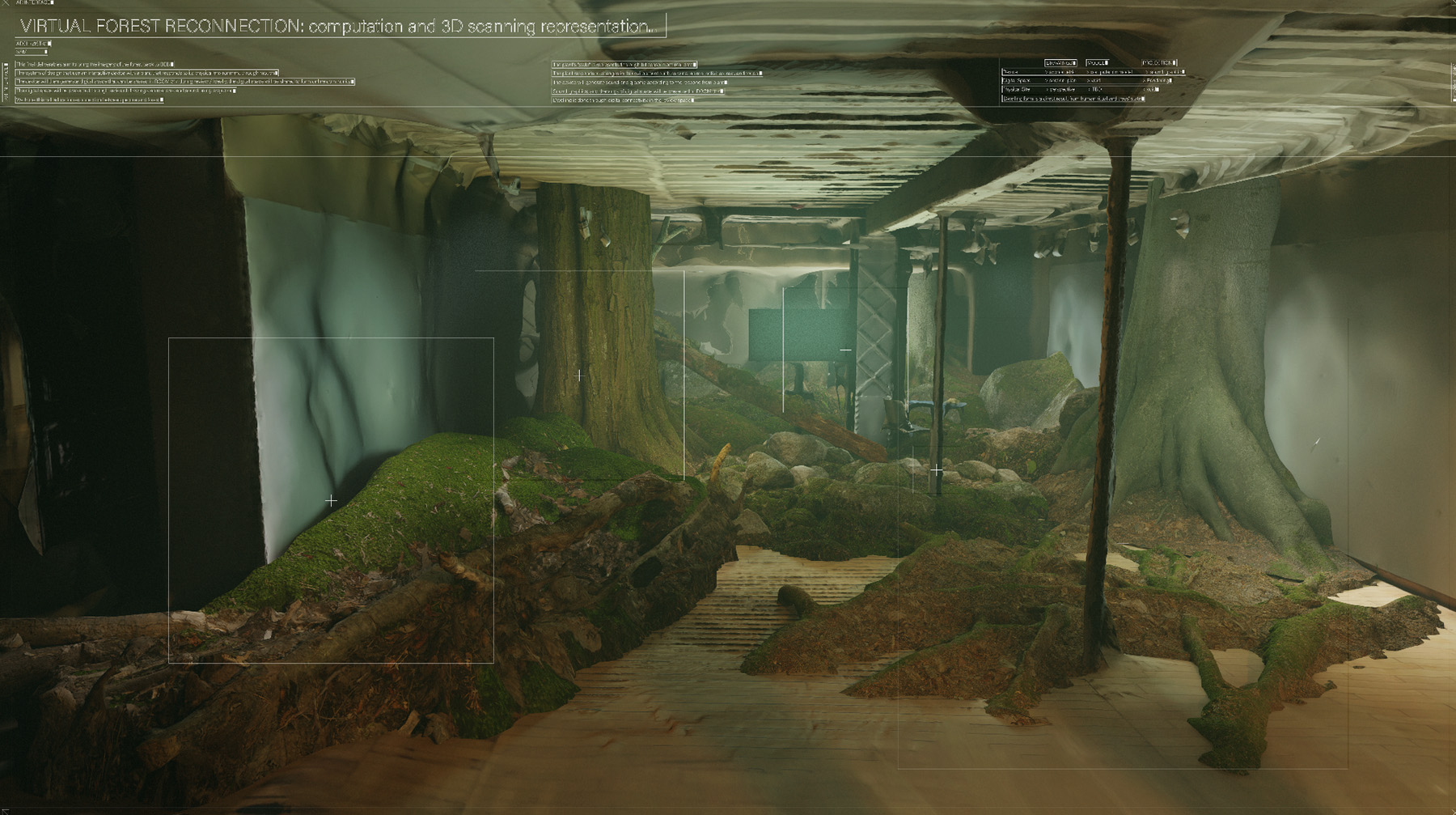
3D worlds
3D worlds
Robotics
Robotics
Data visualization
Data visualization
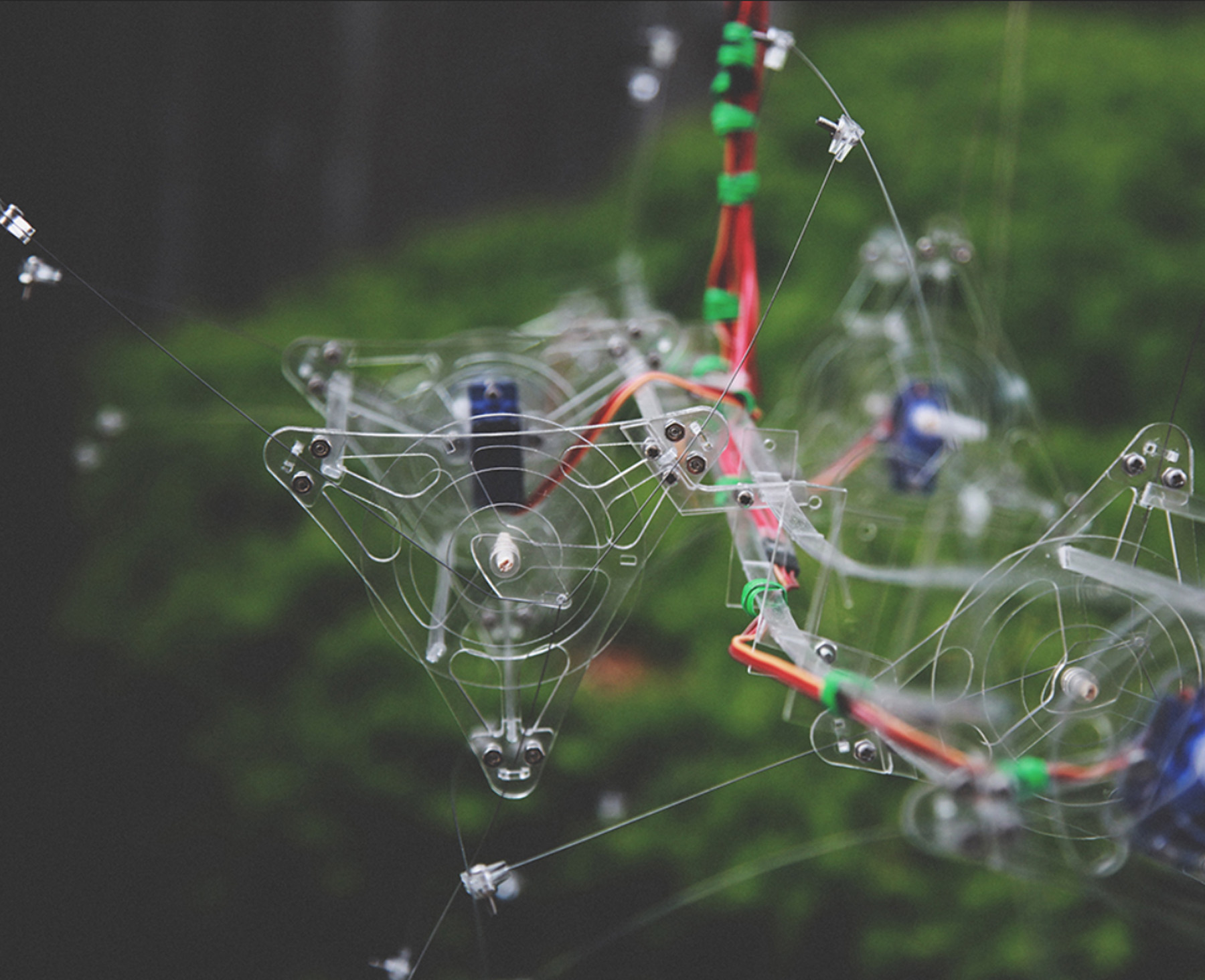
Kinetic sculpture
Kinetic sculpture

Not just concepts. Actual work with real stakes, real audiences, real function.

See more images from our community →

Radical Interdisciplinarity

Computational skills unlock multiple pathways

Art practice

Galleries, museums, residencies, experimental work

Design careers

UX, interaction design, computational design, creative technology

Tech industry

Google, Adobe, gaming companies, startups

Hybrid practices

All of the above, or something you invent

The same foundation supports all of it. Many of our students do more than one. This isn't narrow pre-professional training—it's preparing you to work across contexts and invent new ones.

RISD alumni at Pixar, Google, Ford, Figma, Dropbox, Adobe, Anthropic, OpenAI, Shopify, and Squarespace are helping us shape this major. They support this path. Join their ranks.

Why Join Now

You help shape it

We are a new major at RISD. That means when you join Art & Computation, you're not just enrolling in a program, you're helping define it. Your interests. Your work. Your questions. All will shape what the major becomes.

Ground floor opportunity

We're building capacity—facilities, resources, networks. Being entrepreneurial, defining the future, building something from the ground up—that's all part of the educational experience. Be part of building something, not just joining something finished.

Studio culture & community

Small program means close work with faculty, visiting artists, industry connections. Peer collaboration, shared workspace, ongoing critique, collective learning.

Direct access

Priority enrollment for majors. Faculty mentorship. Dedicated studio space. Direct relationships with faculty who guide your trajectory and connect you to opportunities.
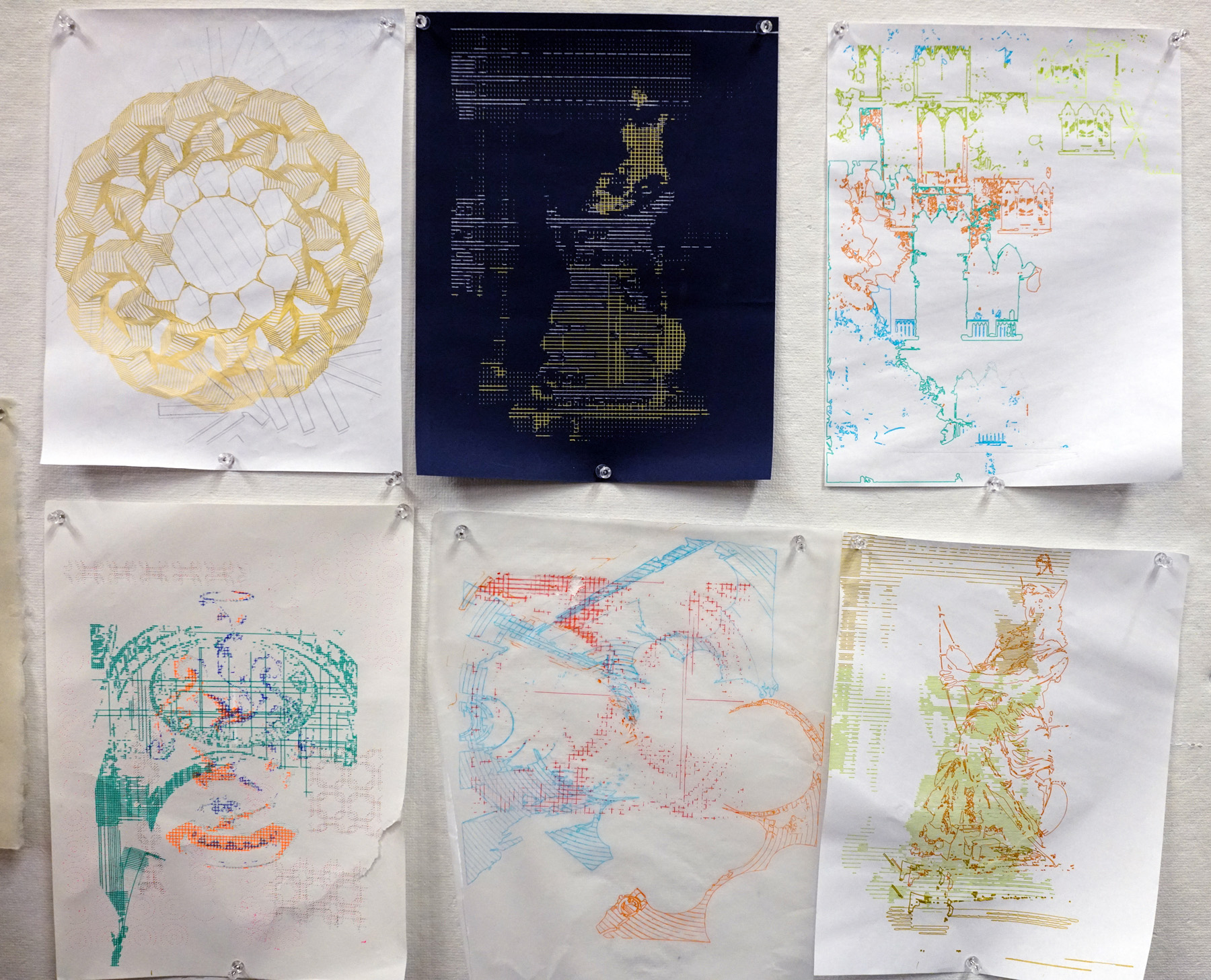
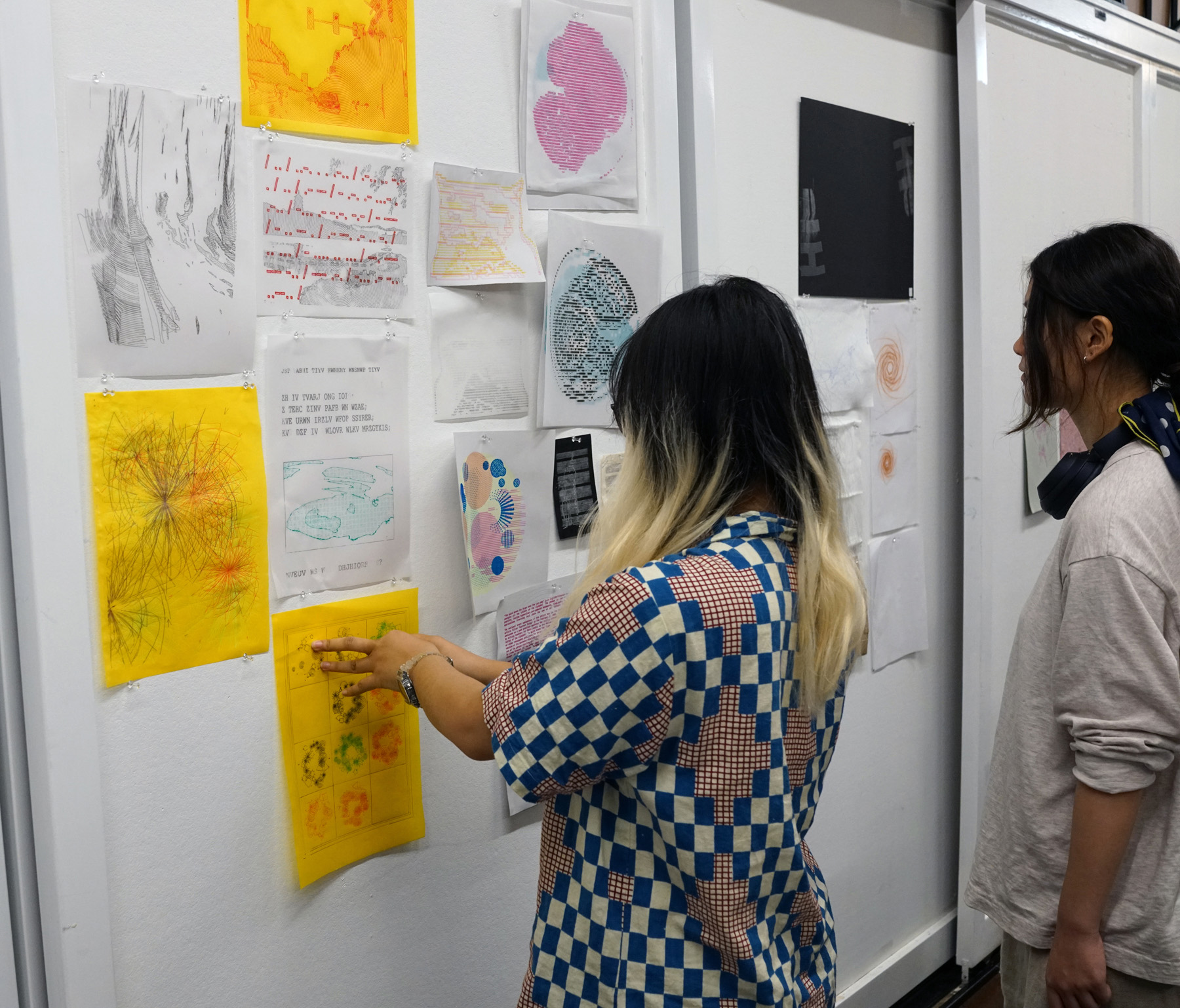
Studio space
Community
Students working

Two Pathways

Art & Computation Major (BFA)

  • Full immersion, not sampling
  • Priority enrollment in courses and studios
  • Core studio sequence across multiple semesters
  • Deep customization with lots of electives
  • Studio culture & community
  • Material depth—understand computational systems from the ground up
  • Faculty mentorship
  • Shaping the future—you help define what this program becomes

AAC makes you a computational practitioner

CTC Concentration

  • 15 credits (5 courses)
  • For students in other majors
  • Computational literacy without deep dive
  • Strategic elective selection
  • Brings computation to your primary discipline
  • Think of it as breadth: exposure to computational thinking

CTC gives you computational literacy

Both are valuable. Different commitments. If you want to work with computation as a creative medium—not just understand it—the major is the path.

How to Join

When Major declaration is Monday Feb. 2
Follow these steps to declare
Requirements No coding experience required
Resources Lab access, equipment, software
Priority enrollment for majors
Learn more aac.risd.edu
Questions artandcomputation@risd.edu

For people who want to build the future of creative practice
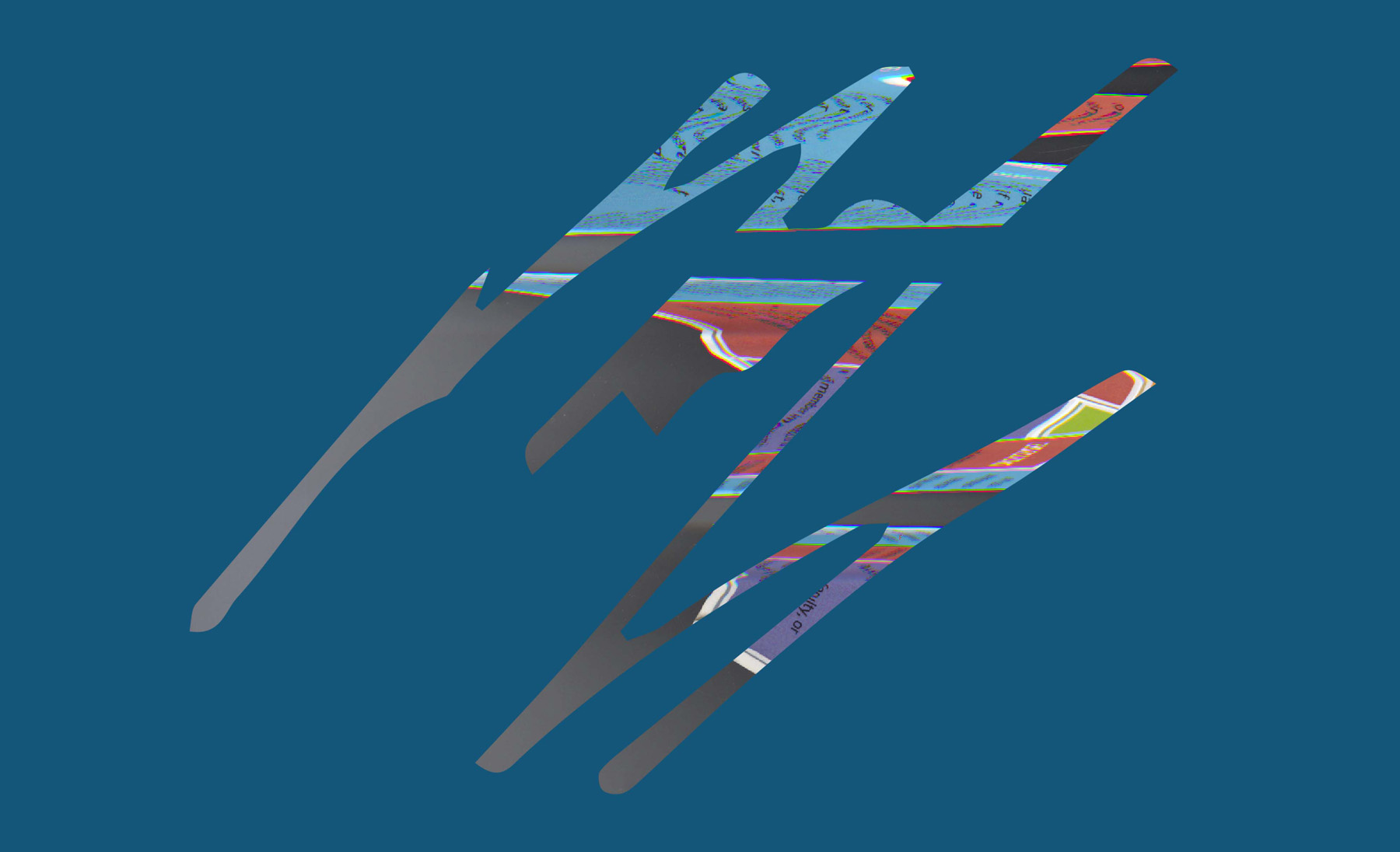
Student work